

Introduction
According to the Cleveland Clinic, Cerebral Palsy (CP) is a group of neurological disorders that affects posture, coordination, muscle movement, and balance. Historically, CP was thought to be caused almost entirely by injury to a developing fetal or infant brain before, during, or shortly after birth. However, as noted by Biology Insights, recent research suggests that genetics play a significant role in a substantial number of cases. Throughout this blog, we’ll discuss what Cerebral Palsy is, the genetics behind it, and the experiences of a local family navigating life with CP.
What is Cerebral Palsy?
The Center for Disease Control and Prevention (CDC) claims that Cerebral Palsy is the most common motor disability in childhood. The term cerebral refers to the brain, while palsy refers to weakness or difficulty using muscles. CP occurs when the developing brain is injured or does not develop as expected, affecting a person’s ability to control movement and maintain posture.
The CDC estimates that CP affects approximately 3 out of every 1,000 children in the United States. And while the brain injury itself does not worsen over time, symptoms and physical challenges may change as a child grows. According to the CDC, there is currently no cure for CP, but treatments and therapies can help improve comfort, mobility, independence, and overall quality of life.
Types of Cerebral Palsy:
The Cleveland Clinic states that healthcare providers classify CP based on the primary movement disorder involved.
- Spastic: The most common type of CP. Causes stiff muscles and spasms.
- Dyskinetic: Causes difficulty controlling movement and may affect speaking, swallowing, and facial movements.
- Ataxic: Affects balance and coordination. Precise movements such as writing may be difficult.
- Mixed: Involves symptoms from more than one type of CP.
According to the Cleveland Clinic, Cerebral Palsy can also be categorized by the region of the body affected:
- Diplegic: Affecting the legs more than the arms
- Hemiplegic: Affects one side of the body more than the other
- Quadriplegic: Affects all four limbs
- Monoplegic: Affects only one limb
- Paraplegic: Primarily affects both legs
Common Symptoms:
According to the Cleveland Clinic, common symptoms of CP may include:
- Muscle weakness
- Tight muscles that resist movement
- Uncoordinated movement
- Balance and coordination difficulties
- Feeding, chewing, or swallowing difficulties
- Speech and language difficulties
- Hearing or visual challenges
The Role of Genetics in Cerebral Palsy
For many years, CP was believed to result primarily from environmental factors such as premature birth, infections, or lack of oxygen during delivery. While these factors remain important, Biology Insights reports that genetic factors contribute to up to one-third of CP cases.
In some individuals, CP may result from a mutation in a single gene involved in early brain development, according to Biology Insights. One type of genetic variation is called a Single Nucleotide Polymorphism (SNP). SNPs occur when a single “letter” in the DNA sequence differs from the usual pattern. Most SNPs are harmless, but some can affect how genes function and may contribute to a person’s risk of developing certain conditions.
Biology Insights also highlights the role of Copy Number Variation (CNV). CNVs occur when large sections of DNA are either deleted or duplicated. Because these DNA segments often contain multiple genes, CNVs can significantly affect normal brain development. Researchers have identified CNVs in approximately 7-10% of unexplained CP cases. Many of these CNVs are de novo, meaning they occur spontaneously and are not inherited from either parent.
Additionally, Biology Insights notes that genetics may also contribute through polygenic inheritance. Rather than one mutation causing CP, many small genetic variations across multiple genes may work together to increase a person’s susceptibility. These genetic factors do not directly cause CP but may make the developing brain more vulnerable to complications.
As researchers continue to learn more about the genetic causes of CP, genetic testing is becoming an increasingly valuable tool for diagnosis and family planning(bio insights). Understanding whether genetics played a role can help families better understand risk and connect with appropriate medical and support resources
Family Highlight: The Swansons
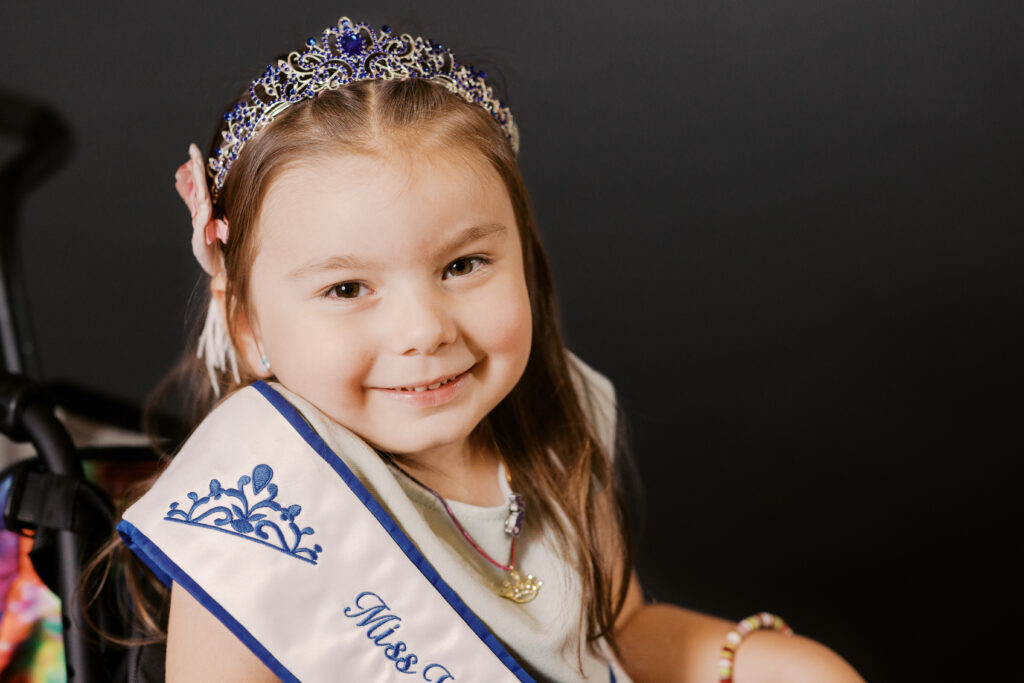
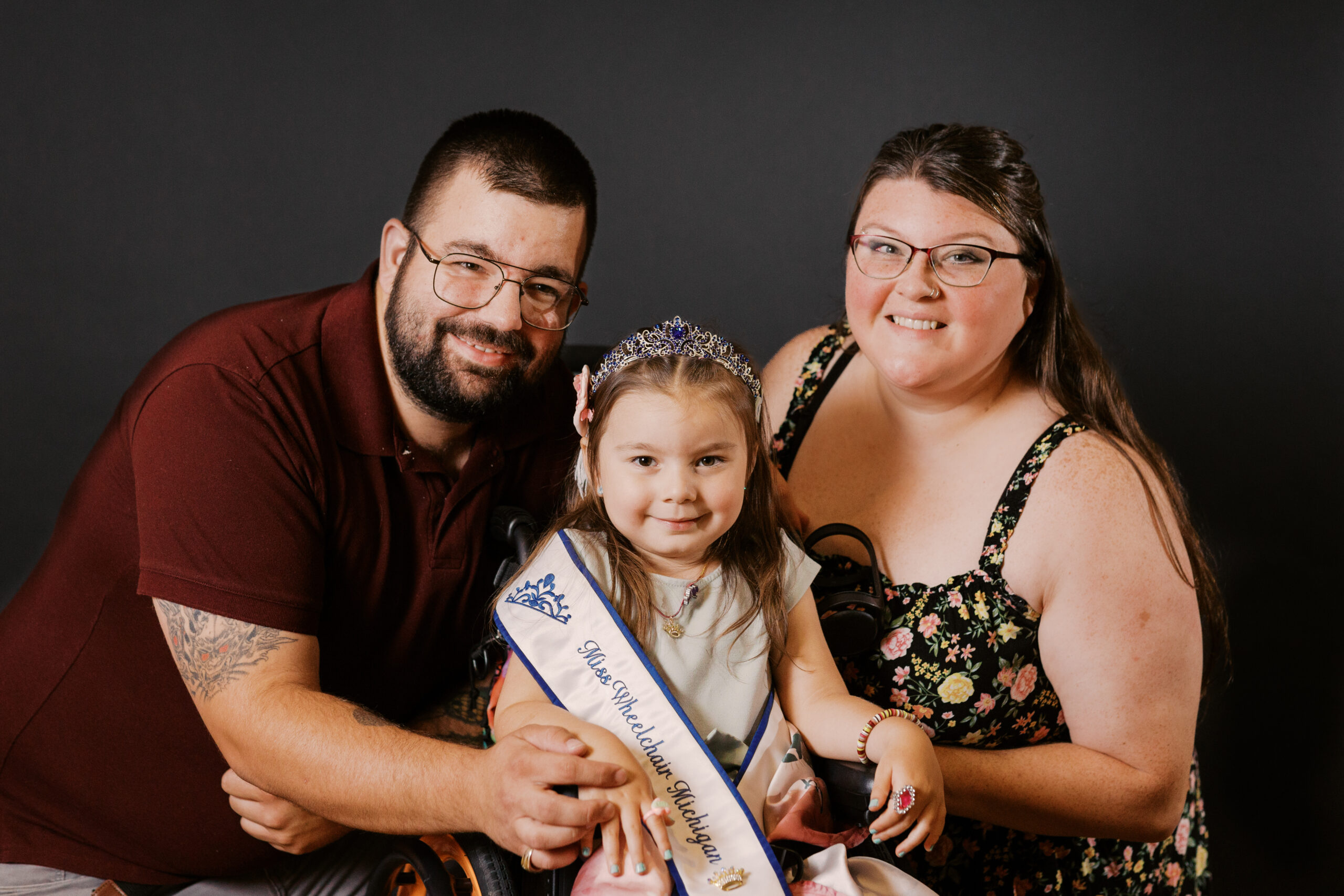
Dahlia’s family’s cerebral palsy story began long before her diagnosis was official. Her mother noticed the signs early on, including unusual muscle tightness in her legs and repetitive spasms that would later be identified as clonus. As Dahlia grew, concerns continued when she struggled to meet mobility milestones, such as not walking or standing independently by age two. When the pediatric doctors were finally able to get her an MRI, the results were not consistent with CP, which led to even more confusion for the family that had been certain after countless hours of research that her symptoms were consistent with CP.
When Dahlia finally received her diagnosis, the family was filled with relief to finally understand what was going on, but the diagnosis also came with a whole new set of questions and concerns. Dahlia was able to start physical therapy and get into corrective supportive braces called AFOs (Ankle-Foot Orthosis).
One misconception Dahlia’s family frequently encounters is the belief that cerebral palsy is the same for everyone, or that children will simply “outgrow” it. In reality, cerebral palsy is a spectrum condition, and every individual’s experience is unique. Comments such as “She’ll walk when she’s ready” or “She won’t need that equipment forever” often overlook the lifelong nature of CP and the important role adaptive equipment plays in supporting independence and quality of life.
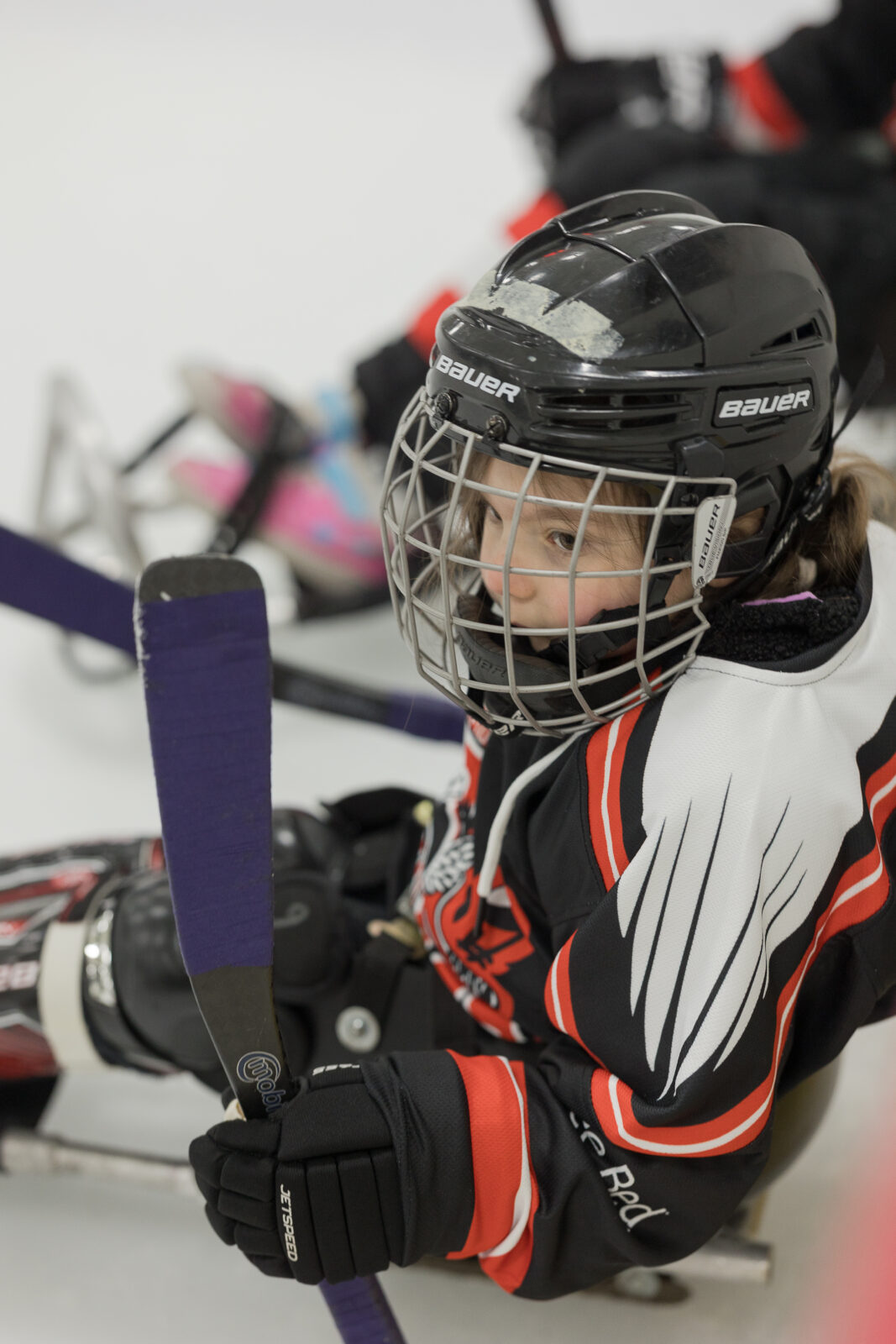
Movement is a central part of Dahlia’s daily life. From nighttime braces that help maintain muscle length and range of motion to regular therapy appointments, much of her routine focuses on preserving mobility and managing pain. Despite these challenges, Dahlia remains incredibly active. She participates in karate, wheelchair tennis, sled hockey, adaptive skiing, therapeutic horseback riding, and enjoys riding her adaptive bicycle. When she’s not on the move, she loves art, music, fashion, cooking, photography, Barbies, and Bluey.
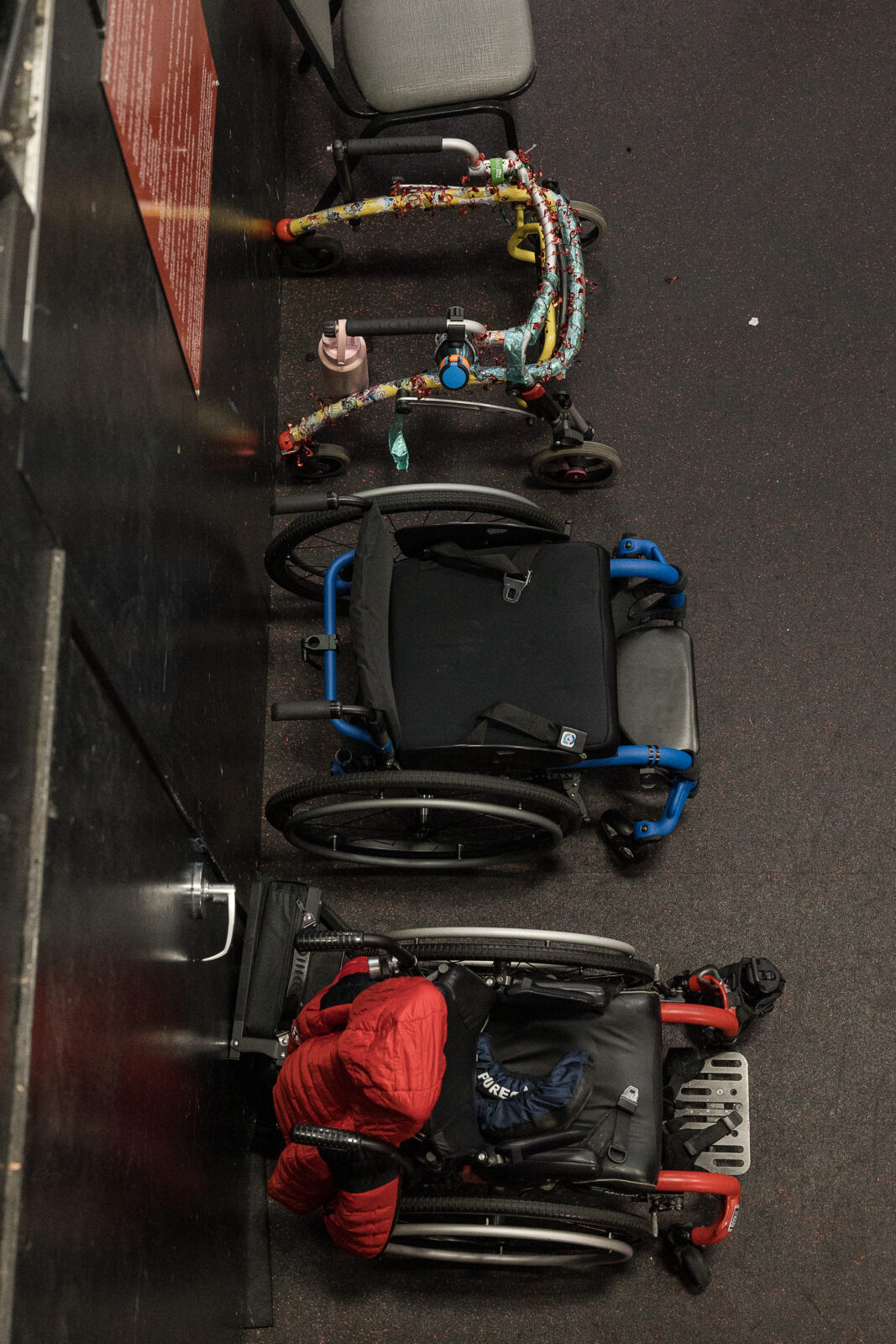
One of the greatest challenges Dahlia’s family faces is managing her chronic pain while navigating a world that is not always designed with accessibility in mind. Simple outings often require extra planning, specialized equipment, and careful consideration of physical access. The cost of adaptive equipment and activities can also create significant barriers for families seeking opportunities for their children to fully participate in their communities
Throughout their journey, Dahlia’s family has found support through adaptive sport programs, nonprofit organizations, therapy communities, advocacy groups, and connection through social media. These resources have brought their family a sense of belonging and understanding.
Looking ahead, Dahlia’s family hopes to see even greater accessibility in their community, including more adaptive recreation opportunities, accessible playgrounds, public spaces, adult-sized changing tables, and community centers designed to support individuals of all abilities.
Dahlia’s story is a reminder that children with a disability deserve the same opportunities to explore, connect, play, and thrive. Throughout advocacy, community support, and determination, Dahlia continues to show that while cerebral palsy may shape part of her journey, it does not define who she is.
Citations and Resources:
- Cleveland Clinic. Cerebral Palsy
- Biology Insights. Is Cerebral Palsy Genetic? What Research Shows?
- Center for Disease Control and Prevention. About Cerebral Palsy
